


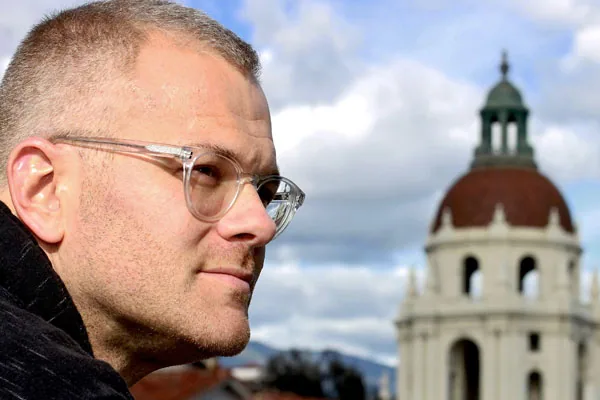
OPINION: Ryan Hampton –
Aug. 15, 2023 – I’ve been living in recovery from opioid use disorder for eight and a half years, and this might be a weird thing to say about addiction, but I feel lucky—like I dodged a bullet. I was addicted to opioids in Florida throughout the early 2000s, during the heyday of pill mills that flooded the streets with powerful pharmaceuticals like OxyContin. I say I’m lucky because this was just before the drug supply turned into a toxic sludge of potent fentanyl analogues, mysterious tranquilizers, and deadly counterfeit pills. Sometimes I wonder what it would be like if I were using today. The chances of my survival in these dire conditions would be slim to none.
There’s a saying that “dead people can’t recover,” and I know it’s true. In 2022, an average of 300 Americans died from an overdose every single day. That’s an average of 109,680 human souls. We’re losing far too many people to drugs because America has yet to fully commit to a culture, policy, and strategy focused on overdose prevention.
However, calling this an “opioid epidemic” is to mislabel and misunderstand the actual root of the problem we face: Overdose deaths are preventable; we just haven’t had the tools to efficiently do it—until now. Many users die alone in their homes, apartments, cars, in gas station bathrooms, or on the street. Families and entire communities have been shattered by loss. In a fog of pain, grief, and anger, we’re also losing the plot. The focus of drug policy right now should be on preventing as many fatal overdoses as possible. Instead, America is once again trapped in a disastrous drug war that focuses on punishment and retribution over the goal of saving lives.
